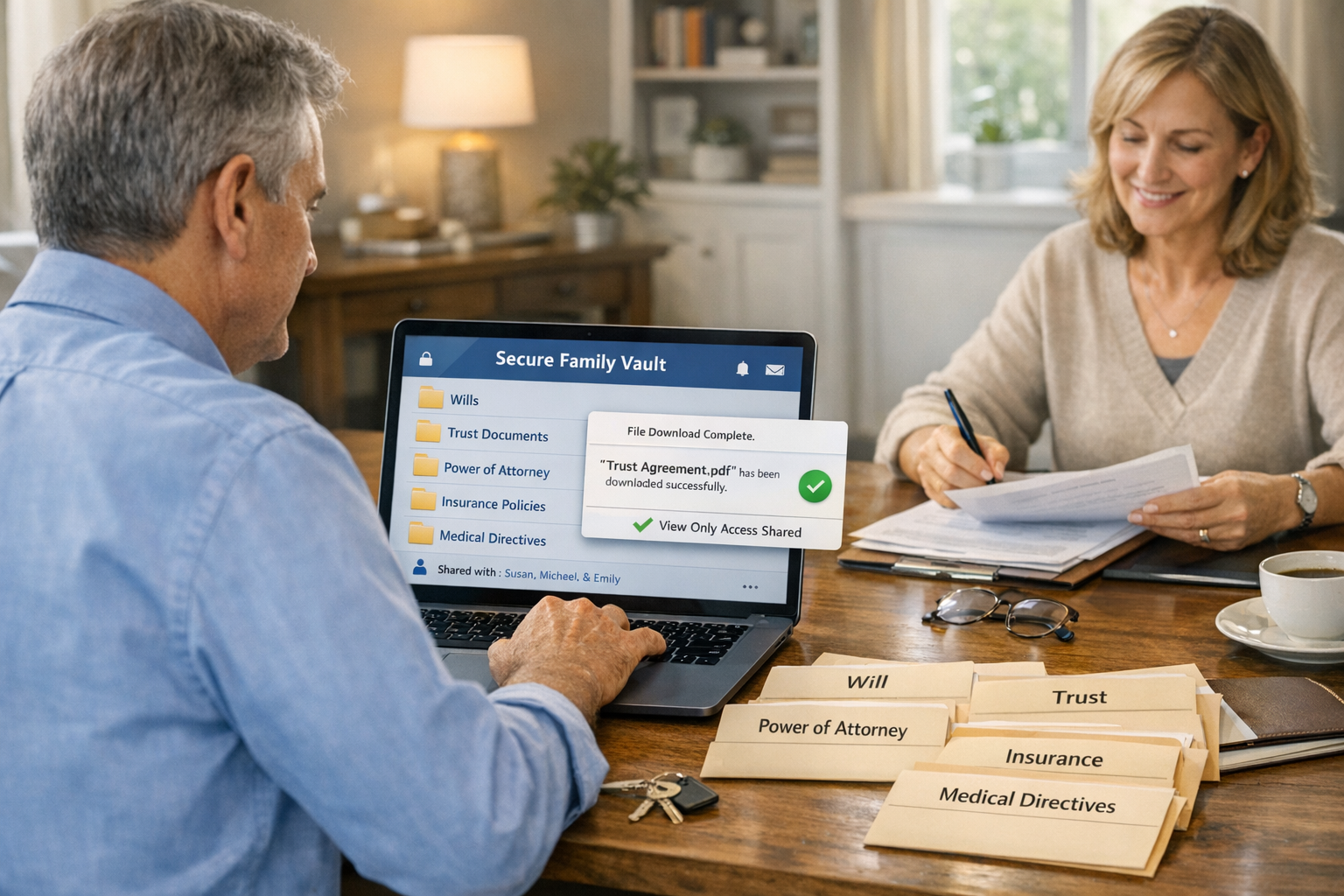
Fear can hit hard when you realize a loved one may have left behind assets you cannot easily find, access, or even confirm exist. In probate, that fear often grows when the missing property involves online accounts, cryptocurrency, digital wallets, investment platforms, password-protected files, or records scattered across drawers, devices, and email inboxes. If you are feeling overwhelmed, you are not alone. A missing account or inaccessible asset can make an already emotional process feel even more uncertain.
One practical step that may help bring order to the situation is creating a probate asset inventory and attaching source documents to each item. This will not solve every legal or technical issue on its own, and it is not a substitute for legal advice. But it can help you organize what you know, identify what is missing, and prepare for a more productive conversation with a probate attorney. If you are handling an estate and worried about overlooked or inaccessible assets, an attorney can help you understand your options and next steps.
Why Missing Assets Create So Much Fear in Probate
Probate is already a complex process. There may be deadlines, court filings, family questions, creditor concerns, tax issues, and emotional strain. When assets seem to be missing, the stress can intensify quickly. You may be asking yourself:
- Did my loved one have accounts no one knew about?
- Are there digital assets stored behind passwords or security keys?
- What if cryptocurrency exists but no one can locate the wallet information?
- How do I prove an asset exists if statements are incomplete or online-only?
- Could important property go unclaimed because no one documented it?
These concerns are valid. Today, many estates include a mix of traditional and digital property. Bank accounts, retirement plans, business interests, life insurance, online payment apps, loyalty points, cloud storage, social media accounts, domain names, NFTs, and crypto holdings may all become part of the broader probate picture depending on the facts. Some assets may pass outside probate, while others may need to be identified, valued, and addressed through the estate process. That is one reason organization matters so much.
A carefully prepared probate asset inventory can help reduce confusion and support a more complete estate review. It may also help the personal representative, executor, or family member avoid overlooking important clues.
What a Probate Asset Inventory Actually Means
A probate asset inventory is a structured list of the deceased person’s known or suspected assets, along with the documents that help verify each one. Think of it as a master roadmap of the estate’s financial and property landscape. It is not just a list of account names. It should connect each asset to supporting records so that you can trace where the information came from.
Source documents may include:
- Bank and brokerage statements
- Retirement account summaries
- Property deeds
- Vehicle titles
- Insurance policies
- Tax returns
- Business records
- Email confirmations for online accounts
- Crypto exchange statements or transaction histories
- Screenshots of account dashboards
- Password manager references, if lawfully accessible
- Subscription billing records
- Loan documents
- Safe deposit box records
By linking each asset entry to a source document, you create a stronger factual foundation. That can be helpful when speaking with attorneys, financial institutions, accountants, or the probate court. It can also make it easier to spot patterns, such as recurring transfers to a platform you did not initially recognize.
Why Source Documents Matter More Than a Simple List
A handwritten note that says “crypto account” or “investment app” may be better than nothing, but it often is not enough. Financial institutions and online platforms usually require documentation. Courts may also require formal inventories or supporting information during estate administration. That is why attaching source documents to your probate asset inventory is so important.
Source documents may help you:
- Confirm that an asset exists
- Identify account numbers or partial account identifiers
- Estimate values as of a certain date
- Track ownership structure
- Distinguish probate assets from non-probate assets
- Identify beneficiaries, joint owners, or transfer-on-death designations
- Uncover recurring transactions that point to hidden accounts
- Support requests made to institutions or service providers
For digital and crypto assets, the paper trail may look different from traditional accounts. You may be looking at exchange emails, app notifications, hardware wallet packaging, device backups, or tax forms reflecting digital transactions. Even if you cannot access the asset directly, evidence of its existence may still be valuable.
How to Build a Master Inventory Without Making the Situation Worse
When you are afraid something is missing, it can be tempting to rush, guess, or start logging into accounts without a plan. In probate matters, that can create problems. It is important to proceed carefully and, when needed, with legal guidance. Access rights, privacy rules, fiduciary duties, and platform terms can all matter.
A more careful approach is often better. Start by gathering information methodically.
1. Create broad asset categories
Organize the inventory into categories so nothing gets lost in the shuffle. For example:
- Real estate
- Bank accounts
- Investment and brokerage accounts
- Retirement accounts
- Life insurance and annuities
- Business interests
- Vehicles and titled property
- Personal valuables
- Debts owed to the estate
- Digital assets
- Cryptocurrency and online financial platforms
2. Record what you know and what you suspect
It may help to separate confirmed assets from possible assets. For each item, note:
- Name of institution or platform
- Type of asset
- Status: confirmed, suspected, pending verification
- Location of source document
- Date of most recent statement or evidence
- Known contact information or website
- Notes about access issues or missing credentials
This can help you stay organized without overstating what has been proven.
3. Attach source documents to each entry
Use digital folders, labeled PDFs, or physical binders. Consistency matters. If one line in the inventory says “Exchange account,” attach the email, statement, or tax form that supports that entry. If a wallet is only suspected, attach the evidence that raised the suspicion, such as a transfer from a bank statement or a transaction noted on a tax return.
4. Preserve records carefully
Do not discard mail, billing notices, old devices, notebooks, backup drives, or tax records until you understand their relevance. A probate lawyer can help you determine what may matter and how to handle sensitive materials appropriately.
5. Avoid assumptions about ownership
Not every asset automatically becomes part of the probate estate. Some property may be jointly owned, beneficiary-designated, held in trust, or otherwise pass outside probate. Your inventory is a collection tool, not a final legal conclusion. An attorney can help evaluate how each item may be treated.
Special Concerns With Digital and Crypto Assets
Digital property can be especially stressful because it may be invisible unless you know where to look. Unlike a house, car, or paper bank statement, a digital asset may leave only fragments of evidence. Cryptocurrency adds another layer of difficulty because control may depend on private keys, seed phrases, device access, or exchange credentials.
That does not mean the situation is hopeless. It does mean the estate may need a careful, informed approach.
Potential clues to digital or crypto assets may include:
- Tax returns showing capital gains, losses, or digital asset questions
- Emails from exchanges, wallet providers, or trading platforms
- Bank transfers to unfamiliar financial apps
- Two-factor authentication apps on a phone
- Hardware wallet devices or packaging
- Password manager entries
- Spreadsheets tracking transactions
- Notes referencing seed phrases or wallet backups
- Browser bookmarks to exchange websites
- Subscription fees for online financial tools
If you suspect digital or crypto assets exist, documenting every clue in your probate asset inventory may help an attorney assess what steps are available. In some cases, legal process may be needed to communicate with institutions or clarify authority. In others, technical support may also be relevant. The right path depends on the facts, and that is why legal guidance matters.
What You May Be Able to Discuss With a Probate Attorney
If assets are missing or inaccessible, you do not have to figure everything out alone. A probate attorney can help you understand the estate administration process, your role, and what options may be available for locating and addressing different types of property.
Topics you may discuss include:
- Whether formal probate is required
- What duties an executor or personal representative may have
- How to identify and categorize estate assets
- What records should be preserved
- How to handle suspected digital or crypto holdings
- How to communicate with banks, brokers, and online platforms
- What court filings or inventories may be required
- How to address disputes over missing property
- Whether additional professionals may be needed, such as accountants or valuation experts
Because probate rules vary by state and each estate is unique, it is important not to rely on general information alone. An attorney can evaluate the specific circumstances and help you avoid mistakes that could delay the process.
What to Expect When Working With a Probate Lawyer
Many people hesitate to call a lawyer because they think they should have everything solved first. In reality, attorneys often help people at the exact stage when things feel uncertain. If you already have even a partial probate asset inventory, that can be a strong starting point.
When you speak with a probate attorney, they may want to review:
- The death certificate
- The will, trust, or estate planning documents, if available
- Your role in the estate
- A list of known family members or beneficiaries
- Your current inventory of assets and debts
- Any missing asset concerns
- Relevant statements, emails, tax forms, or account records
From there, the attorney may help clarify what steps make sense next. They may identify gaps in documentation, explain how probate generally works in your jurisdiction, and outline what information could strengthen the estate’s position. If digital assets are involved, they may also help determine how authority and access issues should be approached.
The goal is not to pressure you. It is to give you a clearer path forward at a time that may feel chaotic.
Practical Tips for Keeping the Inventory Clear and Useful
If you are building a master inventory now, these best practices may help:
- Use one central document: A spreadsheet or organized checklist is often easier to update than scattered notes.
- Date every update: Probate matters evolve, and a dated record helps track progress.
- Label documents consistently: For example, “Bank-ABC-Statement-Jan-2025” or “Crypto-Exchange-Email-Confirmation.”
- Separate facts from questions: Mark uncertain items clearly so no one mistakes them for verified assets.
- Track who has possession: Note whether documents, devices, keys, or records are held by a family member, advisor, or institution.
- Back up your work: Keep secure copies in case papers or devices are lost.
- Stay professional in your notes: If conflict develops later, clear and factual documentation may matter.
These steps may not remove the emotional weight of probate, but they can make the process more manageable and less reactive.
You Do Not Need to Wait Until Everything Is Found
One of the biggest misconceptions in probate is that you need a complete answer before asking for help. That is rarely true. If you are afraid that assets are missing, inaccessible, or hidden behind digital barriers, that concern alone may be enough reason to consult a lawyer. Early guidance may help you preserve evidence, avoid missteps, and move toward a more complete understanding of the estate.
Even a partial probate asset inventory can be useful. It tells the story of what is known, what is suspected, and where supporting records can be found. That may save time, reduce confusion, and make legal support more effective.
How Get My Lawyer Today Can Help
When probate involves fear, uncertainty, and possible missing digital or crypto assets, the right legal support can make a meaningful difference. Get My Lawyer Today helps connect people with attorneys who understand probate matters and the practical challenges that can come with locating and organizing estate assets.
You do not have to navigate inaccessible accounts, scattered records, and unanswered questions on your own. A probate attorney may be able to help you evaluate the situation, understand your responsibilities, and take informed next steps based on the facts of the estate and the laws in your state.
Take the Next Step With Confidence
If you are worried about missing or inaccessible assets, start by organizing what you have. Build a master inventory. Attach source documents. Preserve records. Then speak with a probate lawyer about what those records may mean and what options may be available.
Get My Lawyer Today can connect you with a probate attorney who can help you move forward with clarity and support. Reach out today to find a lawyer who can review your situation, answer your questions, and help you take the next step with greater confidence.