If you are afraid that a loved one with disabilities could lose essential public benefits because of an inheritance, you are not overreacting. That fear is real, and for many families, it is deeply personal. You may be trying to do the right thing for a child, sibling, or other family member while worrying that one financial gift, one missed notice, or one reporting mistake could create serious problems. When the stakes involve housing, medical coverage, income support, or long-term care, even small administrative details can feel overwhelming.
That is why staying organized matters. One practical step that may help reduce risk is tracking reporting and recertification schedules on a calendar. While every family situation is different, and an attorney should guide you on your specific circumstances, keeping careful records of deadlines may help you respond faster, avoid missed paperwork, and stay more prepared when questions about eligibility arise.
In estate planning matters involving disability-related benefits, timing and documentation often matter just as much as good intentions. If you are facing this situation now, you may have options, and you do not have to sort through it alone. An estate planning attorney can help you understand how inheritances, trusts, reporting duties, and benefit reviews may interact.
Why this fear feels so heavy for families
Estate planning is already emotional. When a beneficiary has special needs, the pressure can become intense. You may be grieving, planning ahead for your own future, or trying to honor another relative’s wishes. At the same time, you may be asking difficult questions:
- Will this inheritance affect SSI, Medicaid, or other means-tested benefits?
- What has to be reported, and when?
- What happens if paperwork is submitted late?
- Could a simple mistake interrupt support my loved one depends on?
- How can I plan responsibly without causing harm?
These concerns are common. Families often discover that estate planning for a special-needs heir is more complex than leaving assets through a standard will or beneficiary designation. Public benefits programs may have strict rules, regular reviews, and reporting obligations. Missing a deadline may create stress, delays, or requests for more information. In some situations, it may also lead to overpayment issues or benefit interruptions that take time to resolve.
That does not mean disaster is inevitable. It means careful planning and ongoing attention are important. A well-organized calendar system is not a substitute for legal advice, but it can be a valuable support tool.
Understanding the concern around special needs inheritance benefits
The focus of many families is protecting special needs inheritance benefits concerns before they become a crisis. In general, some public benefits programs look closely at income, assets, and changes in financial circumstances. An inheritance that is received outright may create eligibility issues depending on the type of benefit involved, the amount inherited, and how the assets are held.
This is one reason estate planning attorneys often discuss tools such as special needs trusts, coordinated beneficiary designations, and long-term planning strategies. The goal is often to support the beneficiary’s quality of life while taking into account the rules that may apply to public assistance programs.
Even when planning structures are in place, families may still need to monitor notices, annual reviews, recertification dates, account activity, and agency communications. That is where a calendar becomes more than a convenience. It becomes part of your practical system for staying informed.
Why tracking reporting and recertification schedules matters
Benefits programs often require periodic updates. Some require annual recertification. Others may require prompt reporting when financial circumstances change. Notices may arrive by mail, online portal, or through a caseworker. If those notices are overlooked, deadlines can pass quickly.
Tracking these dates on a calendar may help you:
- Spot upcoming deadlines before they become urgent
- Gather documents in advance
- Coordinate with trustees, caregivers, or family members
- Follow up with agencies if forms or notices are missing
- Reduce the chance of missed recertification periods
- Create a written record of your efforts to stay compliant
For families worried about special needs inheritance benefits, this simple habit may provide peace of mind. It does not solve every legal issue, but it may help you stay organized while working with professionals who understand the bigger picture.
What dates should go on the calendar?
Each case is different, so it is important to confirm relevant deadlines with an attorney and, where appropriate, the agencies involved. In general, however, families often track dates such as:
Benefit recertification deadlines
Many public benefits require regular eligibility reviews. Put the known due date on your calendar and also add reminders well in advance, such as 60 days, 30 days, and 14 days before the deadline.
Reporting deadlines after financial changes
If an inheritance is received, distributed, transferred, or placed into a planning vehicle, reporting obligations may arise. The timing may vary depending on the program and the facts. An attorney can help you understand what may need to be reported and when.
Trust administration check-ins
If a special needs trust or related estate planning tool is involved, schedule regular dates to review trust activity, distributions, and recordkeeping. This may help trustees and family members stay aligned.
Annual estate planning reviews
Estate plans should not be created once and forgotten. Family circumstances, laws, and benefit rules can change. A yearly review with an estate planning attorney may help identify issues early.
Document renewal and identification dates
Keep track of expiration dates for identification documents, guardianship or conservatorship review dates where applicable, and any paperwork that may be needed during benefit recertification.
Mail and portal review reminders
Set recurring reminders to check mail, email, and online benefit portals. Important notices are sometimes missed simply because no one expected them to arrive when they did.
How to build a calendar system that actually works
A calendar only helps if it is realistic and easy to maintain. In stressful situations, overly complicated systems often fall apart. The better approach is to use a simple, repeatable process.
Choose one main calendar
Use either a digital calendar, a paper planner, or both. What matters is consistency. If multiple family members are involved, a shared digital calendar may help everyone see deadlines in one place.
Add multiple reminders
Do not rely on a single alert. Create layered reminders:
- One early reminder to start gathering documents
- One mid-point reminder to confirm progress
- One final reminder shortly before the deadline
This gives you time to respond if a form is missing, an account statement is delayed, or clarification is needed.
Use clear labels
Instead of writing vague notes like “benefits stuff,” use specific labels such as:
- SSI recertification due
- Medicaid renewal packet follow-up
- Trust statement review
- Attorney annual estate planning review
- Report inheritance-related change
Specific labels make the calendar easier to understand during stressful moments.
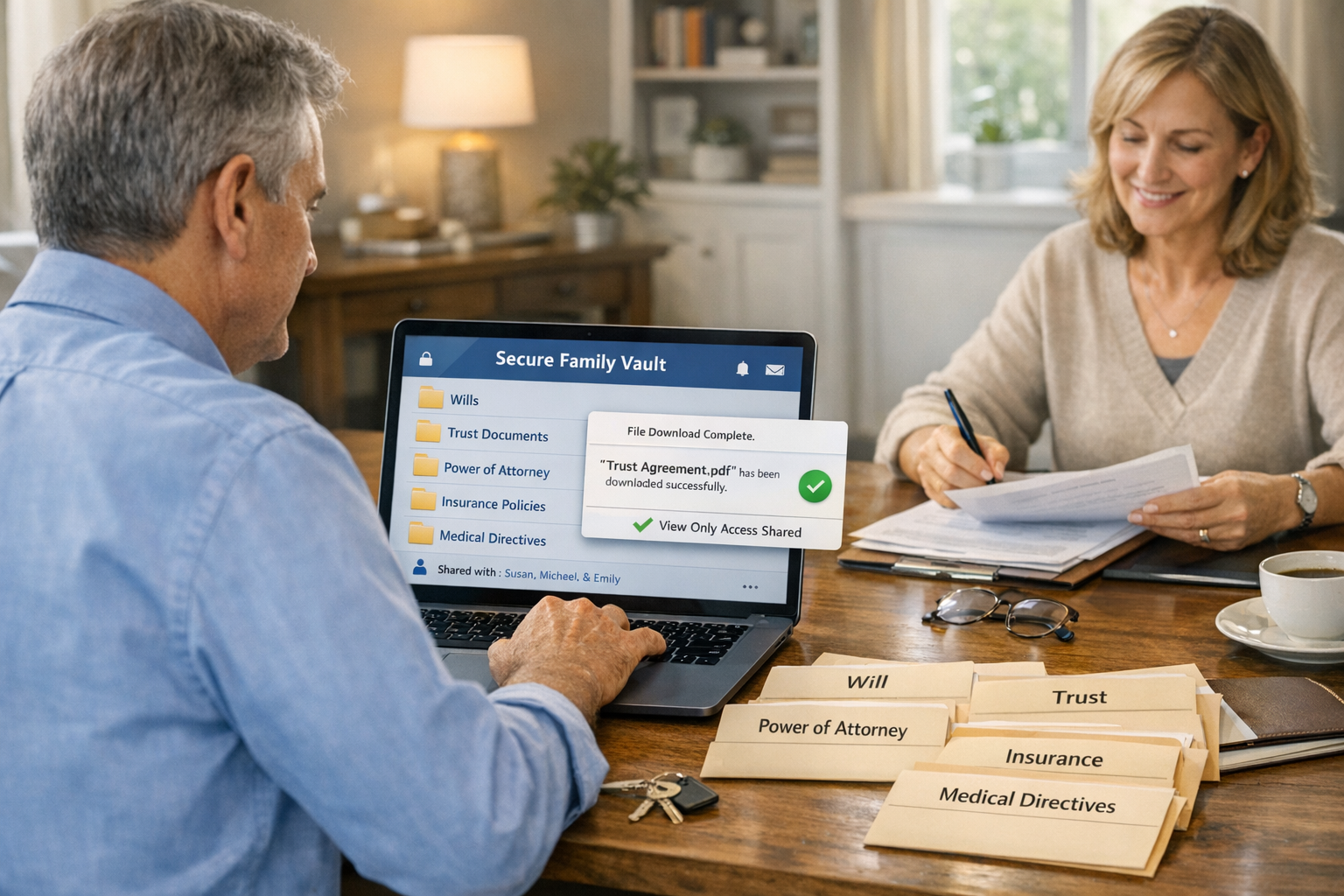
Keep a companion document folder
Your calendar should connect to a document system. Create folders, physical or digital, for:
- Benefit notices
- Trust records
- Bank statements
- Estate planning documents
- Attorney correspondence
- Submission confirmations
When a reminder appears, you will know exactly where to find the paperwork you may need.
Assign responsibility
If several relatives are helping, decide who is responsible for each task. One person may monitor notices, another may gather financial records, and another may communicate with the attorney. Clear roles may reduce confusion and missed steps.
Common mistakes families may want to avoid
Families trying to protect special needs inheritance benefits are often doing their best in a complicated system. Still, some common problems can increase stress:
- Assuming all inheritances are treated the same way
- Waiting until after funds are received to ask legal questions
- Missing recertification notices because mail was overlooked
- Failing to keep copies of submitted forms
- Relying on memory instead of a written calendar system
- Using outdated estate planning documents
- Making distributions or transfers without legal guidance
These situations do not mean a family acted carelessly. Often, they simply reflect how technical estate planning and benefits coordination can be. That is why legal support matters.
How an estate planning attorney may help
When a special-needs heir is involved, estate planning is rarely just about drafting documents. It may require coordination between family goals, asset protection concerns, benefit eligibility rules, fiduciary responsibilities, and future care planning. An attorney can help you evaluate the situation in a broader and more strategic way.
Depending on the facts, an estate planning attorney may help with:
- Reviewing how an inheritance is currently structured
- Identifying possible risks related to means-tested benefits
- Explaining general reporting and recertification considerations
- Creating or reviewing special needs planning tools
- Coordinating wills, trusts, and beneficiary designations
- Helping trustees and family members understand their roles
- Updating an existing estate plan after a life change
Most importantly, an attorney can help you move from fear to a clearer plan. Instead of guessing, you can ask informed questions and build a system that supports your loved one more effectively.
What to expect when working with a lawyer on this issue
If you have never spoken with an estate planning attorney about disability-related inheritance concerns, you may not know what the process looks like. In many cases, the first step is a conversation about your family, your loved one’s needs, current benefits, and the assets involved.
You may be asked to provide:
- Existing wills or trusts
- Information about the expected or received inheritance
- Current benefit program details
- Account statements or asset summaries
- Any notices about reporting or recertification
- Questions about caregiving, housing, and long-term planning
From there, the attorney may outline general options and identify areas that need closer review. They can also help you understand what documents and dates should be tracked going forward. This is especially helpful if you feel frozen by fear and do not know where to begin.
How Get My Lawyer Today can help you take the next step
You do not have to search for the right legal help on your own while managing the emotional weight of this situation. Get My Lawyer Today connects people with attorneys who understand complex legal matters, including estate planning concerns involving disability and inheritance issues.
When you reach out, you may be able to connect with a lawyer who can:
- Listen to your concerns with compassion
- Explain general estate planning considerations
- Review whether your current plan may need updates
- Help you understand how organization and timing fit into the larger legal picture
- Guide you toward more confident next steps
If your fear centers on protecting a vulnerable loved one, that concern deserves serious attention. The right attorney may help you create a plan that is thoughtful, organized, and better aligned with your family’s goals.
Take action before fear turns into delay
Fear can make people put off important decisions. That is understandable. But when it comes to special needs inheritance benefits, waiting too long to get guidance may make things harder. A calendar system is a smart practical step, especially for tracking reporting and recertification schedules, but it works best as part of a larger estate planning strategy.
You may have options. An attorney can help you understand them. If you are worried that an inheritance could affect a special-needs heir’s benefits, now is a good time to get informed support.
Contact Get My Lawyer Today to connect with an estate planning attorney who can help you better understand your situation, organize important deadlines, and take the next step with more confidence.