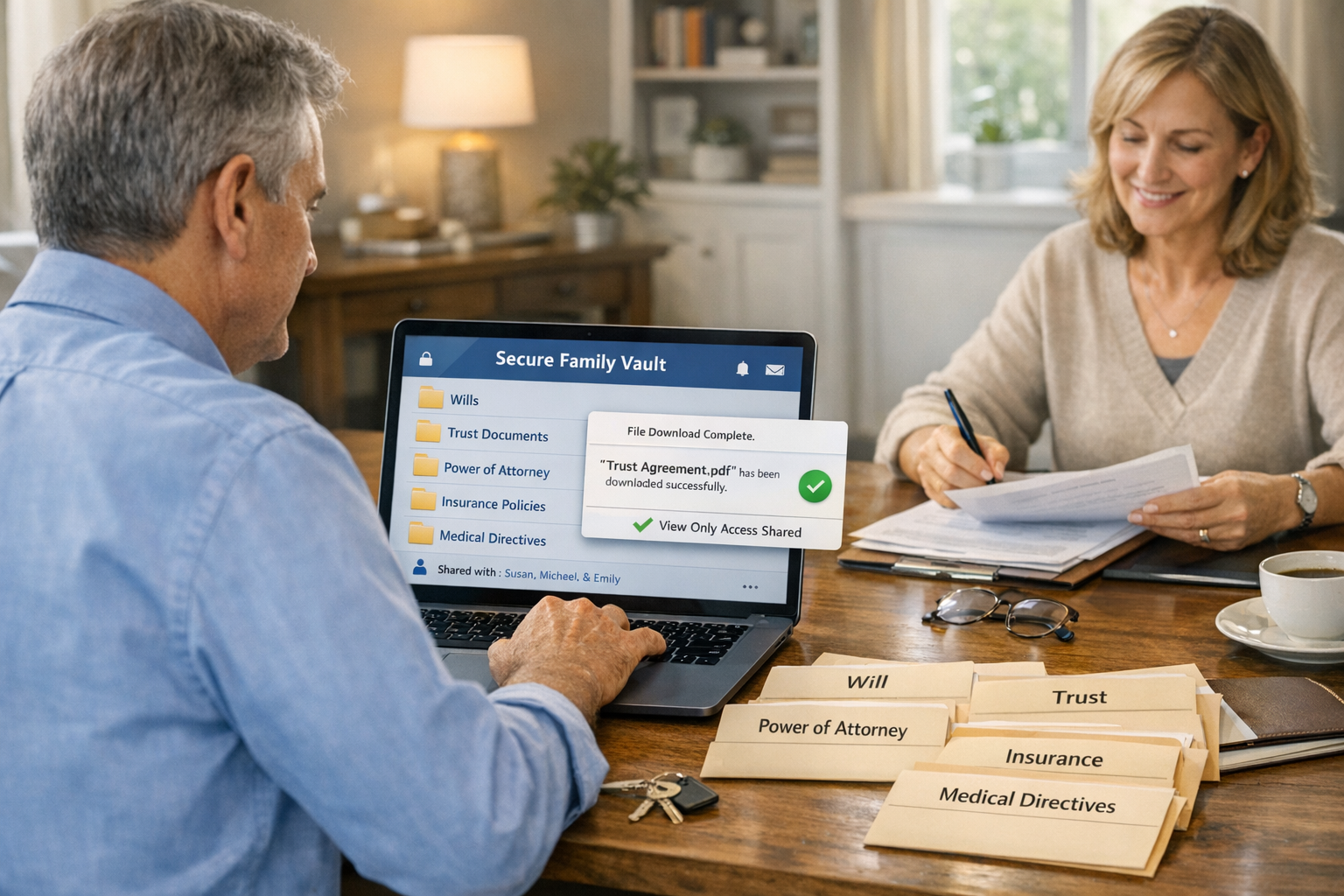
When you are already afraid about your future with your child, hearing that a guardian ad litem (GAL) or evaluator may be leaning against you can feel devastating. You may be losing sleep, replaying every conversation, and wondering whether anyone will truly understand your side. In child custody matters, fear often comes from feeling powerless. One practical step that may help you regain some control is creating a clear, organized child custody binder with a timeline, records, and key contact information.
If you are facing a custody dispute and worried that a GAL or evaluator does not see the full picture, you are not alone. These cases are emotional, deeply personal, and often complicated by misunderstandings, incomplete records, or communication problems. While no binder can guarantee an outcome, a well-prepared file may help you and your attorney present accurate information in a calm, credible, and organized way.
This article explains why a child custody binder can matter, what to include, how to organize it, and how an attorney can help you use it effectively. If you are overwhelmed, Get My Lawyer Today can help connect you with a lawyer who understands child custody cases and can guide you through your next steps.
Why Fear Gets So Intense in Child Custody Cases
Few legal situations feel as personal as a custody dispute. If a GAL or evaluator is recommending against you, it may feel like your parenting is being judged by someone who does not fully know your family. That fear can make it hard to think clearly, stay organized, or respond effectively.
You may be dealing with concerns like:
- Worry that important facts were missed
- Fear that a misunderstanding will shape the final outcome
- Stress about being portrayed unfairly
- Confusion about what evidence actually matters
- Anxiety about saying the wrong thing or appearing unprepared
These feelings are valid. Child custody cases often involve interviews, home visits, records review, and competing narratives. A GAL or evaluator may be trying to assess the child’s best interests, but their recommendation is not always the end of the story. If facts are incomplete, disorganized, or difficult to follow, your attorney may be able to help you present a clearer picture.
Why an Organized Child Custody Binder May Help
A child custody binder is not about creating drama or overwhelming the court with paper. It is about making relevant information easy to find, easy to verify, and easy to understand. When emotions are high, organization matters.
A tidy binder may help in several ways:
- It gives your attorney a faster, clearer understanding of the facts
- It helps identify missing information or inconsistencies
- It supports your credibility by showing preparation and focus
- It reduces the chance that important records get lost or forgotten
- It can help you stay calmer because you know where everything is
Courts, GALs, and evaluators often deal with large amounts of information. A parent who can present records in a professional, organized format may be better positioned to support their concerns. That does not mean you should try to argue your case alone or contact a GAL in ways your attorney does not recommend. It means you should gather information thoughtfully and review it with counsel.
What to Put in a Child Custody Binder
The best child custody binder is focused, factual, and easy to navigate. It should not become a catch-all for every frustration you have experienced. Instead, it should contain organized materials that may help your attorney evaluate your case and respond to concerns raised by a GAL or evaluator.
1. A Master Timeline
Your timeline is one of the most important sections. It gives structure to the case and helps your attorney quickly understand what happened and when.
Your timeline may include:
- Major custody-related events
- Court dates and hearing dates
- GAL or evaluator meetings
- School issues involving the child
- Medical events or appointments relevant to parenting concerns
- Changes in living arrangements or schedules
- Important communication incidents
Keep the timeline factual. Use dates, short descriptions, and references to supporting documents. Avoid emotional commentary in the timeline itself. For example, instead of writing, “The other parent lied to everyone,” write, “March 12: Parent-exchange dispute; see text messages in Tab 5 and police incident number in Tab 8.”
2. Court Papers and Legal Documents
Include copies of key legal documents in one section. This may include petitions, motions, orders, parenting plans, notices, and any written recommendations you have received. Your attorney will likely want quick access to these records.
Organize them in chronological order and label each document clearly. If you have multiple versions of an order or parenting schedule, make sure the most recent one is easy to identify.
3. Communication Records
Communication often becomes central in child custody cases. If there are concerns about co-parenting, missed exchanges, scheduling disputes, or inappropriate messages, organized communication records may be useful.
This section may include:
- Text messages
- Emails
- Messages from parenting apps
- Voicemails summarized with date and time
- Written school or daycare communications
Do not include hundreds of pages with no context. Instead, select relevant communications and organize them by issue or date. If possible, create a short cover sheet explaining what the messages relate to. An attorney can help you decide what is most important.
4. Parenting Records and Logs
If you have been consistently involved in your child’s daily life, records may help show that pattern. The goal is not to create a perfect image. It is to provide reliable information that reflects your role and your child’s routine.
This section may include:
- Pickup and drop-off logs
- Calendars showing parenting time
- Appointment attendance records
- School event participation
- Extracurricular involvement
- Childcare arrangements
If you are creating logs after the fact, be honest about that. Never guess or exaggerate. Accuracy is more valuable than volume.
5. School, Medical, and Counseling Records
When relevant and legally appropriate, these records may help clarify concerns about attendance, health, developmental needs, or the child’s support system. Keep this section neat and limited to records that matter to the custody issues in dispute.
You may want to include:
- Report cards or attendance summaries
- Notes from teachers or school staff
- Medical appointment summaries
- Medication information
- Counseling attendance records, if your attorney advises it
Because child privacy matters, always review these materials with a lawyer before sharing them broadly. Different rules may apply depending on your case and your jurisdiction.
6. Contact List
A simple contact sheet can make your child custody binder much more useful. Include names, roles, phone numbers, email addresses, and a short note about why each person matters.
Your contact list may include:
- Attorney and law office contacts
- GAL or evaluator contact information
- School contacts
- Doctors or therapists
- Daycare providers
- Supervisors for supervised visitation, if applicable
- Other professionals involved in the child’s care
Be careful with friends and family “witness lists.” Not every supportive person is a helpful witness. Your attorney can help determine who may actually be relevant.
How to Organize Your Binder So It Is Actually Useful
The value of a child custody binder comes from clarity, not just content. A stack of papers in a box is not the same as a well-organized case file.
Use Simple Sections
Create labeled tabs such as:
- Case overview
- Timeline
- Court documents
- Communications
- Parenting logs
- School records
- Medical records
- Contacts
Add a Table of Contents
A table of contents at the front of the binder can save time and reduce confusion. Number the tabs and, if possible, number important pages.
Keep It Factual
Try to avoid handwritten emotional notes in the margins or long personal essays attacking the other parent. Those materials may distract from your strongest points. If there are concerns about safety, parenting ability, or compliance with court orders, stick to dates, records, and specific events.
Use Summaries
If a section is long, add a one-page summary at the front. For example, a communication section might begin with a short explanation: “This tab contains messages from April through June regarding missed exchanges and schedule changes.”
Maintain Both Paper and Digital Copies
Whenever possible, keep a digital backup of your binder. Scan documents into clearly labeled folders. This can make it easier to share information with your attorney and protect against lost paperwork.
What Not to Put in a Child Custody Binder
Just as important as what you include is what you leave out. A child custody binder should not become a place for every grievance, rumor, or emotional reaction.
Avoid including:
- Speculation you cannot support
- Social media screenshots with no clear relevance
- Insults, threats, or angry commentary
- Private records you are not authorized to share
- Duplicate documents unless necessary for context
- Edited or incomplete communications that could appear misleading
If you are unsure whether something belongs in the binder, that is a good question for an attorney. A lawyer can help you focus on what may actually support your position and avoid materials that could hurt your credibility.
How a Lawyer Can Help When a GAL or Evaluator Recommends Against You
If you are frightened by a negative recommendation, it is important to remember that you may still have options. The right response depends on the facts of your case, the stage of the proceedings, and the laws in your state. This is where legal guidance matters.
An attorney may be able to help by:
- Reviewing the recommendation for factual errors or omissions
- Identifying records that may clarify disputed issues
- Preparing you for hearings, interviews, or testimony
- Organizing your evidence into a stronger presentation
- Advising you on appropriate communication with the court and professionals
- Helping you stay focused on the child’s best interests
Even if you feel the recommendation is unfair, it is usually important to respond carefully and strategically rather than emotionally. A lawyer can help you understand the process and avoid mistakes made out of panic.
What to Expect When Working With a Child Custody Attorney
Many parents hesitate to reach out because they feel embarrassed, overwhelmed, or worried they waited too long. But child custody attorneys are used to stepping into difficult situations. Their job is not to judge you. Their job is to evaluate the facts and help you move forward.
When you speak with an attorney, they may ask about:
- The current custody arrangement
- The GAL or evaluator’s role and recommendations
- Any upcoming court dates
- The main concerns being raised about you
- The documents and records you already have
- Your goals for parenting time and decision-making
Bringing a tidy child custody binder to that conversation may make the meeting more productive. It can help your attorney spot patterns, assess strengths and weaknesses, and determine what additional information may be needed.
How Get My Lawyer Today Can Help
You do not have to figure this out on your own. If you are afraid because a GAL or evaluator may be recommending against you, getting connected with the right attorney can make a real difference. Get My Lawyer Today helps people facing serious legal stress find lawyers who handle child custody matters and understand how emotionally high-stakes these cases can be.
When you reach out, you can take a practical step toward:
- Understanding your legal options
- Getting help reviewing your records
- Preparing for the next stage of your case
- Presenting information in a more organized, effective way
If fear has left you frozen, start with one manageable action: gather your documents, create a timeline, and ask for legal help. You may have more options than you think, and an attorney can help you understand the best path forward based on your situation.
Take the Next Step With Confidence
When a GAL or evaluator seems to be against you, it is easy to feel like the story is already written. But fear does not have to make your decisions for you. A well-prepared child custody binder may help you organize the facts, support your attorney, and bring more clarity to a chaotic moment.
You do not need to have everything perfect before asking for help. You just need to take the next step. Contact Get My Lawyer Today to connect with a child custody lawyer who can review your situation, explain what to expect, and help you move forward with stronger preparation and support.