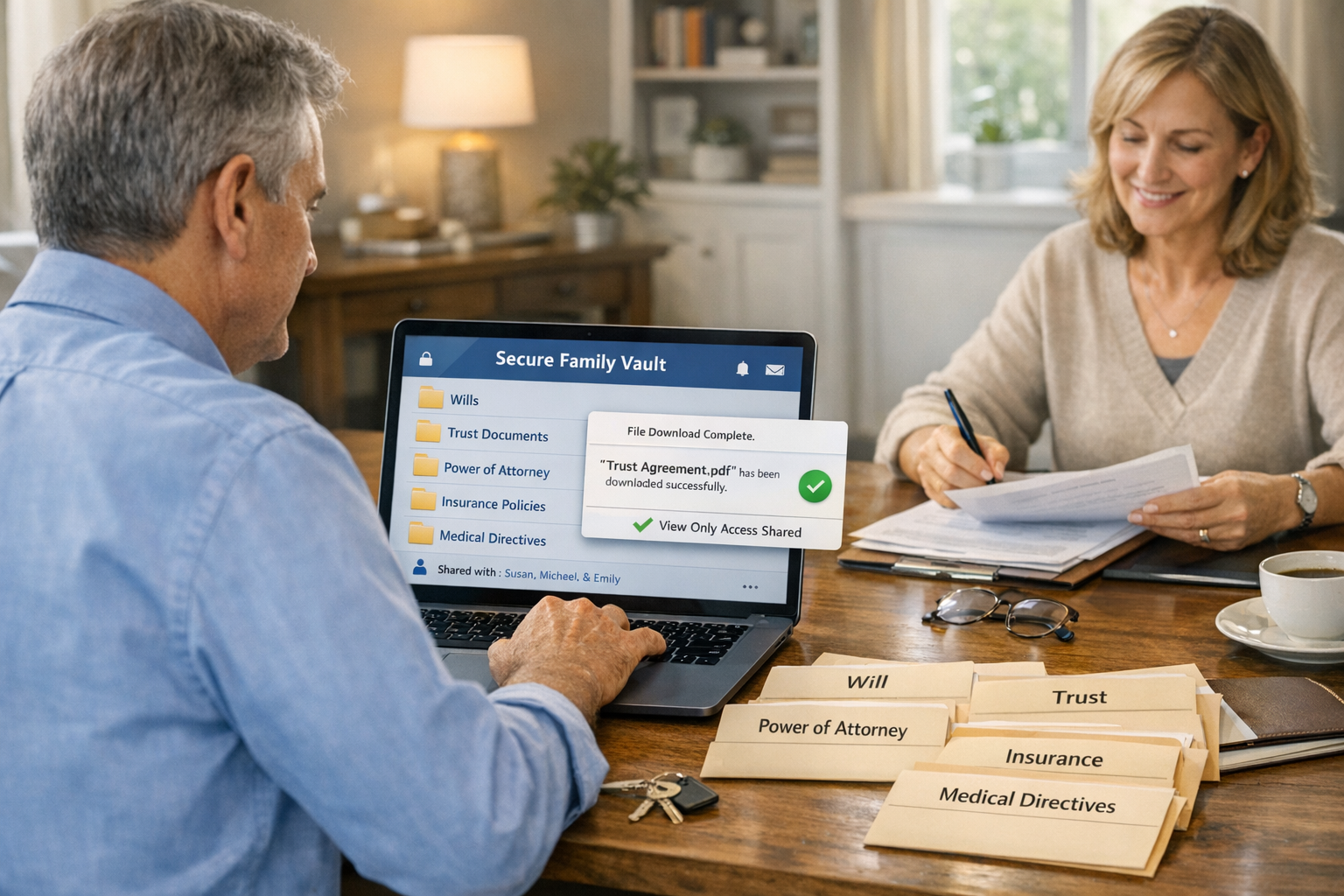
You want more than a stack of signed documents sitting in a drawer. You want a rock-solid incapacity plan ready to use if life suddenly changes. That desire makes sense. In estate planning, preparation is not just about signing papers. It is about making sure the right people can actually find, understand, and use those papers when they matter most.
One practical step many people overlook is simple but powerful: giving your chosen agents copies of key documents and wallet cards with your attorney contact information. This small move can make a major difference during a medical emergency, cognitive decline, or any situation where someone may need to act on your behalf quickly. If your goal is confidence, clarity, and control, this is an important part of a complete plan.
Whether you have a power of attorney, health care directive, living will, HIPAA authorization, or trust-based incapacity provisions, access matters. A document that cannot be located or verified in time may create delays, confusion, and stress for the people you trust most. An estate planning attorney can help you build a system that works not only on paper, but also in real life.
Why This Step Matters in Estate Planning
Many people feel relieved once they sign their estate planning documents. That relief is well earned. But signing is only one phase of the process. The next phase is implementation. If your agent, family member, or medical decision-maker does not know what exists, where it is, or who to call, your carefully prepared plan may be harder to use than you intended.
That is why estate planning agent copies and wallet cards can be so valuable. They help bridge the gap between legal preparation and real-world action. In a crisis, people are often emotional, rushed, and overwhelmed. Clear instructions and immediate access to the right contacts can reduce uncertainty at exactly the wrong time.
This is especially important in incapacity planning. Unlike after-death administration, incapacity issues often arise suddenly and require fast decisions. A hospital may ask who has authority. A bank may request documentation. A care facility may need contact information. Your family may need to know which attorney prepared your documents so they can ask procedural questions. Having copies and wallet cards available may help your chosen representatives respond more efficiently.
What “Giving Agents Copies” Usually Means
In general, your “agents” are the people you name to act for you under certain estate planning documents. Depending on your plan, that may include:
- Your financial power of attorney agent
- Your health care surrogate or medical power of attorney agent
- Your successor trustee
- Your backup or alternate decision-makers
- In some cases, close family members who may need to coordinate care
Giving agents copies does not necessarily mean handing every person every document without guidance. It means working with an estate planning attorney to decide who should receive what, in what form, and when. Some people provide full copies to primary agents and summary information to others. Some keep originals in a secure place while distributing clearly marked copies. Others use digital storage in addition to paper copies.
The best approach depends on your goals, the laws in your state, the type of documents involved, and the personalities of the people you have chosen. It is important to consult a lawyer so your distribution plan supports your overall estate planning strategy.
Why Wallet Cards Can Be So Helpful
A wallet card is a compact card you carry with you that includes essential contact and planning information. It is not a replacement for legal documents. Instead, it acts as a practical access tool. If you become incapacitated, first responders, hospital staff, or family members may quickly see who to contact and which attorney helped prepare your plan.
A wallet card may include general information such as:
- Your name
- An emergency contact
- The name of your health care agent
- The name and phone number of your estate planning attorney
- A note that you have advance directives or power of attorney documents
- Instructions on where documents may be located
This kind of card can support faster communication and reduce the chance that your documents remain unknown during an emergency. It can also help your loved ones avoid scrambling to piece together your wishes while under pressure.
An attorney can help you decide what information belongs on a wallet card and what should be omitted for privacy or security reasons. That balance matters. You want the card to be useful without creating unnecessary risk.
The Emotional Benefit: Confidence Your Plan Can Actually Work
There is a reason this step appeals to people who want a rock-solid incapacity plan ready to use. It turns abstract preparation into practical readiness. It tells your agents, “I trust you, and I want to make this easier for you if the time ever comes.” It also tells you that your plan is not just legally drafted, but operationally organized.
That can create real peace of mind.
Instead of wondering whether your family will know what to do, you have taken steps to prepare them. Instead of hoping someone can locate your attorney, you have made that contact easy to find. Instead of assuming your documents will surface at the right moment, you have created a system that supports action.
Estate planning is often about preserving dignity and reducing burden. Giving agents copies and wallet cards supports both of those goals.
Common Problems This Step May Help Reduce
No estate planning tool can guarantee a smooth process in every situation. Still, thoughtful organization may reduce avoidable complications. When people do not share documents or contact information in advance, families may face issues like:
- Delays locating powers of attorney or health care directives
- Confusion about who has authority to act
- Disagreements among relatives about your wishes
- Difficulty reaching the attorney who prepared your documents
- Stress at hospitals, banks, or care facilities when proof is needed quickly
- Uncertainty about whether a document is current or valid
An estate planning attorney may help you create a distribution and communication plan designed to reduce these risks. The goal is not perfection. The goal is preparedness.
What Documents May Be Relevant to Share
The right documents depend on your specific estate planning package, but incapacity planning often involves several key instruments. Your lawyer may discuss whether your agents should have access to items such as:
- Durable financial power of attorney
- Medical power of attorney or health care proxy
- Advance health care directive
- Living will
- HIPAA authorization
- Trust certification or portions of your trust relevant to incapacity administration
- Emergency contact sheet
- Attorney contact information
Not every document should be shared the same way. Some may be appropriate to distribute broadly to primary decision-makers, while others may need tighter control. This is one reason legal guidance matters. A lawyer can explain how your documents function together and how to help the right people access them when needed.
How to Talk to Your Agents About Their Role
Giving someone a copy of a legal document is only part of the process. It also helps to have a conversation. Many agents feel honored to be chosen, but they may not fully understand what the role involves. A calm discussion now may prevent confusion later.
You may want to cover points like:
- Why you chose them
- Which role they hold in your estate planning documents
- Where originals are stored
- When they may be authorized to act
- Who else is part of your planning team
- How to contact your attorney if questions come up
This conversation does not need to be dramatic. In fact, the best talks are often straightforward and practical. You are not asking anyone to predict the future. You are simply helping your trusted people understand your wishes and your system.
If family dynamics are complicated, an attorney can often help you think through communication strategies that fit your situation.
Paper Copies, Digital Copies, or Both?
Today, many people want their estate planning documents available in both paper and digital form. That can be a smart instinct, but execution matters. Some institutions still prefer paper copies. Others may be comfortable reviewing electronic versions. Emergencies can also happen in places where technology is not immediately accessible.
A balanced approach may include:
- Originals stored securely in a known location
- Paper copies provided to primary agents
- Digital copies stored in a secure, accessible system
- A wallet card noting who to contact and where documents are kept
- Periodic updates when documents change
Your attorney may recommend a document management approach based on your state, your documents, and the practical needs of your chosen agents. It is important not to assume that one format alone is enough in every circumstance.
When to Update Your Agent Copies and Wallet Cards
Estate planning is not a one-time event. It should be reviewed as life changes. If you update your documents but forget to replace outdated copies or wallet cards, that can create confusion. Your incapacity plan works best when the information your agents have matches your current wishes.
You may want to review your materials after events such as:
- Marriage or divorce
- The birth or adoption of a child
- A move to another state
- A major health diagnosis
- The death or incapacity of a named agent
- A change in attorney or law firm contact information
- Updates to your trust, powers of attorney, or advance directives
Even without a major life event, periodic review is wise. An estate planning lawyer can help you confirm whether your documents and supporting materials still align with your goals.
What to Expect When Working With an Estate Planning Attorney
If you want your incapacity plan to be truly ready to use, an attorney can help you move beyond generic forms and into a coordinated strategy. Estate planning lawyers do more than draft documents. They often help clients think through practical implementation, communication, and storage.
When you work with an attorney on this issue, the process may include:
Reviewing Your Current Plan
Your lawyer may look at what documents you already have, whether they appear current, and whether they address incapacity planning clearly.
Identifying the Right Decision-Makers
You may discuss who should serve as your financial and medical agents, who should act as backups, and whether your selections still make sense.
Creating an Access Strategy
An attorney may help you decide which agents should receive copies, what kind of copies they should receive, and how to handle storage and updates.
Preparing Practical Support Tools
This may include attorney contact information sheets, wallet cards, or emergency summaries that complement your legal documents.
Explaining Limits and Responsibilities
Your lawyer can help you understand, in general terms, how these roles work and what your agents may need to know if they are ever called upon to act.
Because estate planning laws and procedures vary, it is important to get guidance tailored to your circumstances. A lawyer can help you avoid assumptions and build a plan designed for real-life use.
Why This Matters for Families, Too
Although incapacity planning centers on your wishes, it also affects the people around you. Families often experience intense stress when a loved one becomes unable to manage medical or financial matters. Even close families can struggle if information is missing or responsibilities are unclear.
By organizing your documents, sharing copies appropriately, and carrying wallet cards with attorney contact information, you may make things easier for the people who care about you most. You are giving them a roadmap during a difficult time.
That does not eliminate emotion. But it may reduce chaos. And that can be a meaningful gift.
How Get My Lawyer Today Can Help
If you want an incapacity plan that feels complete, practical, and ready to use, the next step may be speaking with an estate planning attorney. Get My Lawyer Today helps connect people with lawyers who understand estate planning, incapacity planning, powers of attorney, health care directives, and related legal concerns.
Instead of trying to piece together a plan on your own, you can connect with a legal professional who may help you:
- Review your existing estate planning documents
- Clarify who should receive copies
- Create a better system for storing and sharing documents
- Address wallet cards and attorney contact access
- Update your plan as your life changes
- Build more confidence that your wishes can be carried out
This is not about fear. It is about readiness. When your plan is organized and your agents know what to do, you may feel more secure about the future.
Take the Next Step Toward a Ready-to-Use Plan
You have already recognized something important: a strong estate plan should not just exist. It should be usable. Giving agents copies and wallet cards with attorney contact information is a smart, practical step toward making your incapacity plan more effective.
If you are ready to strengthen your estate planning, do not leave the details to chance. Connect with Get My Lawyer Today to find an estate planning attorney who can help you review your options, organize your documents, and create a plan that supports your wishes when it matters most.
Reach out to Get My Lawyer Today today and get connected with an estate planning lawyer who can help you build a plan with clarity, confidence, and real-world readiness.