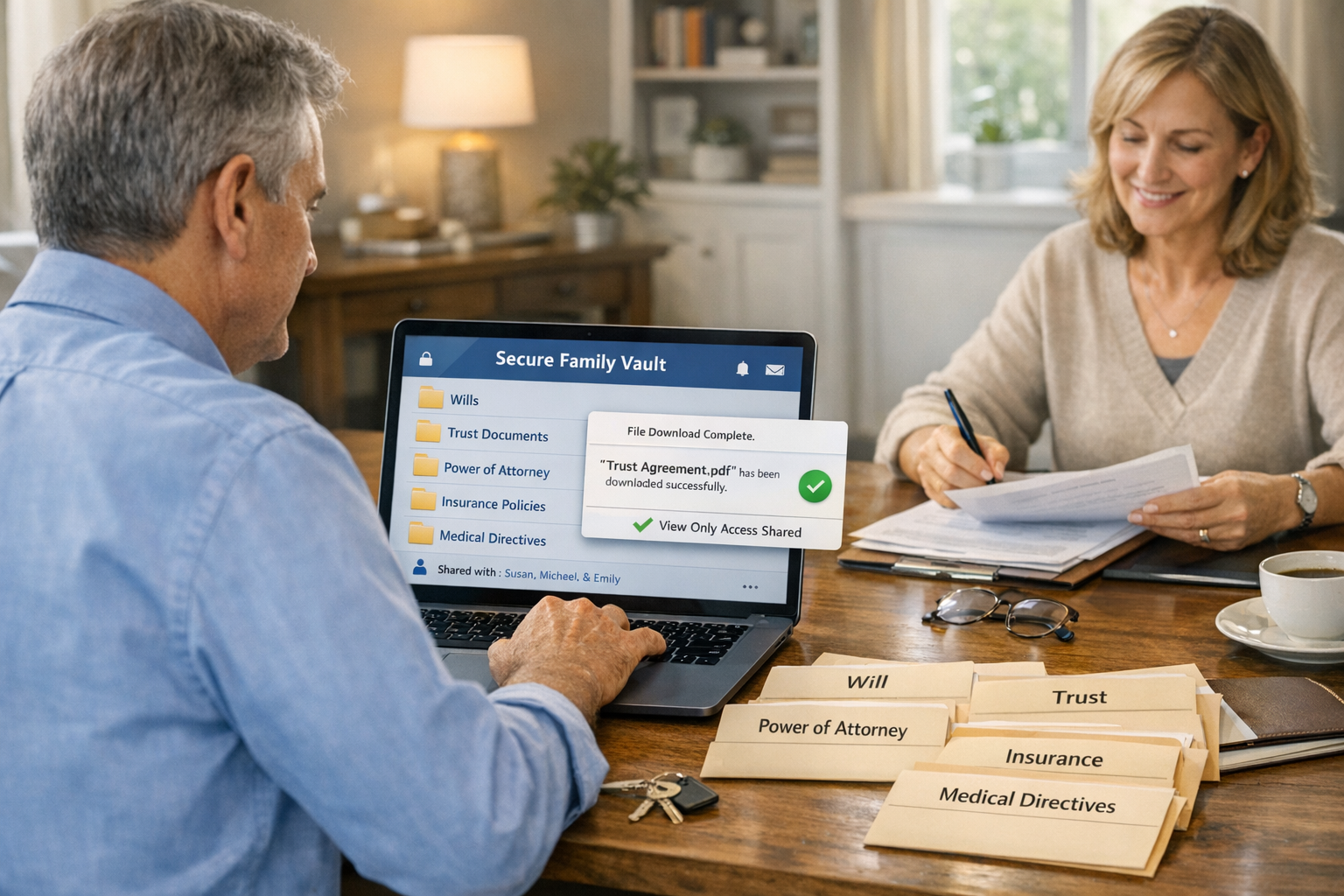
The fear is real: you have money, memories, and important records tied to your phone, email, cloud storage, social media, and cryptocurrency accounts, but what happens if no one can access them when it matters most? For many people, that question creates a deep sense of anxiety. You may be worried that your family could lose treasured photos, critical account information, or even valuable digital assets simply because no one knows where to start. If that sounds familiar, you are not overreacting. In today’s world, estate planning for digital assets and crypto has become an essential part of protecting the people you love.
Digital life moves fast, but legal and practical access after death or incapacity can be surprisingly complicated. A password alone may not solve the problem. Platform policies, privacy laws, two-factor authentication, device locks, and the unique nature of cryptocurrency can all create barriers. The good news is that there are proactive steps you can take now, including setting legacy contacts on certain platforms like Apple, Google, and Facebook. These tools may help your chosen person manage parts of your digital life, but they are only one piece of a larger estate planning strategy.
If you are feeling fear about digital assets and crypto becoming inaccessible, this is the right time to slow down, get organized, and learn your options. An estate planning attorney can help you build a plan that addresses both your traditional property and your online accounts in a way that is practical, thoughtful, and legally informed.
Why Digital Assets Can Create So Much Fear in Estate Planning
Estate planning has always involved protecting what matters most, but digital property introduces new risks that many families do not see coming until it is too late. Unlike a physical safe deposit box or a paper file cabinet, digital accounts often require multiple layers of access. Some are controlled by service agreements. Others are tied to one device, one phone number, or one authentication app. Crypto wallets may be impossible to recover without private keys or seed phrases.
That is why estate planning for digital assets and crypto is not just about listing accounts. It is about making sure the right people can locate, identify, and potentially manage those assets if you become incapacitated or after you pass away. Without a plan, loved ones may face:
- Locked phones or computers containing important records
- Email accounts they cannot access to reset passwords
- Cloud storage full of family photos and documents
- Social media profiles that remain active with no clear management path
- Online banking, payment apps, or subscription accounts that go unnoticed
- Cryptocurrency that cannot be recovered without credentials
- Confusion about what is legally permitted under platform rules
For someone already carrying the emotional weight of planning for the future, this can feel overwhelming. But overwhelm does not mean you are out of options. It means your estate plan should reflect the reality of modern life.
What Counts as Digital Assets and Crypto?
When people hear the phrase digital assets, they often think only of cryptocurrency. In reality, the category is much broader. Estate planning for digital assets and crypto can involve both financial and non-financial property, along with accounts that hold deeply personal information.
Common digital assets may include:
- Email accounts
- Cloud storage services
- Online banking and payment platforms
- Social media profiles
- Photo and video libraries
- Domain names or websites
- Online business accounts
- Digital documents, notes, and contacts
- Reward points or digital subscriptions
- Cryptocurrency exchanges, wallets, and NFTs
Each of these assets may be treated differently depending on the platform, the terms of service, and applicable law. That is one reason a general checklist from the internet may not be enough. An attorney can help you think through what you have, what matters most, and how to coordinate access in a way that supports your broader estate plan.
How Legacy Contacts Can Help on Apple, Google, and Facebook
One practical step many people can take right away is setting legacy contacts or similar account-management tools on major platforms. These features are designed to give a trusted person limited access or account-management authority after death or prolonged inactivity, depending on the platform. While these tools are helpful, they are not a substitute for a complete estate plan.
Apple Legacy Contact
Apple allows users to designate a legacy contact who may be able to request access to data stored in an Apple account after the account holder’s death, subject to Apple’s process and documentation requirements. This can be especially useful when important photos, notes, and files are stored within the Apple ecosystem.
However, setting a legacy contact does not automatically solve every issue. Access may still depend on documentation, device settings, and the specific account structure. If you rely heavily on Apple services, it is wise to make sure this feature aligns with your larger estate planning goals.
Google Inactive Account Manager
Google offers tools that allow users to plan for what happens if their account becomes inactive. You may be able to choose trusted contacts, decide what data may be shared, and set a timeline for inactivity. For people who store years of email, documents, photos, and financial information in Google services, this can be an important safeguard.
Still, inactivity settings are not the same as legal authority. A lawyer can help you understand how these settings may interact with your estate documents and your wishes for privacy, access, and administration.
Facebook Memorialization and Legacy Contact
Facebook allows users to designate a legacy contact to manage certain aspects of a memorialized account. This may help a loved one handle profile updates, pinned posts, and other limited functions after death. For families, this can reduce stress during a painful time and avoid uncertainty about what should happen to a social media presence.
But again, platform tools are limited by design. They do not replace powers granted through legal documents, and they may not cover all related accounts or digital content connected to your online life.
Why Platform Settings Alone Are Not Enough
It is smart to set legacy contacts on Apple, Google, and Facebook, but relying only on platform settings may leave serious gaps. Estate planning for digital assets and crypto should also account for assets and access points that these companies do not control.
For example, platform settings may not address:
- Cryptocurrency held in private wallets
- Passwords stored outside the platform
- Two-factor authentication tied to a device or phone number
- Business accounts linked to personal email addresses
- Digital assets on smaller or international platforms
- Instructions for handling sentimental versus financial content
- Authority during incapacity, not just after death
This is where legal planning becomes especially important. A well-prepared estate plan may include documents and instructions that help the right people act at the right time, while also respecting your privacy and intentions. Because laws and platform policies can vary, it is important to consult a lawyer rather than assume one step covers everything.
Crypto Requires Special Attention
Few areas create more fear than cryptocurrency. Unlike traditional financial accounts, crypto may be permanently inaccessible if private keys, seed phrases, or wallet credentials are lost. In some cases, there is no customer service number to call and no bank to reverse the problem. That reality makes estate planning for digital assets and crypto especially important for anyone who owns Bitcoin, Ethereum, other tokens, or digital collectibles.
If you hold crypto, your estate plan may need to address both ownership and access. That does not mean you should casually share sensitive information or store it insecurely. It means you should think carefully about how your trusted decision-makers would locate and manage what you own if something happens to you.
Important crypto planning considerations may include:
- Whether assets are held on an exchange or in a private wallet
- How your fiduciaries would know the assets exist
- Where critical recovery information is stored
- How to avoid accidental loss through poor storage practices
- How your plan addresses incapacity as well as death
- Whether your estate documents clearly authorize a trusted person to act
An estate planning attorney can help you think through these issues without exposing you to unnecessary risk. The goal is not to put all sensitive details into one insecure place. The goal is to create a lawful, coordinated strategy that protects both security and access.
What an Estate Planning Attorney Can Help You Do
If fear has kept you from addressing digital assets, you are not alone. Many people know they should plan, but they are unsure where to begin or worried they will make a mistake. Working with an attorney can bring clarity and confidence to the process.
Depending on your situation, an attorney may help you:
- Identify the digital assets that should be part of your estate planning review
- Create or update wills, trusts, powers of attorney, and related documents
- Address authority for a fiduciary to manage digital accounts where allowed
- Coordinate legal documents with platform-specific tools like legacy contacts
- Consider privacy concerns, family dynamics, and practical access issues
- Develop an organized inventory of accounts and digital property
- Plan for incapacity, not only death
Most importantly, an attorney can help you avoid the false comfort of a partial plan. Estate planning for digital assets and crypto often involves legal, technical, and personal considerations that should work together rather than exist as disconnected pieces.
Simple Steps You Can Start Taking Now
You do not have to solve everything in one day. If the topic feels intimidating, start with manageable actions. Even a few thoughtful steps can reduce risk and make your later legal planning more effective.
A practical starting checklist
- Make a list of your major digital accounts and devices
- Note which accounts have financial value and which have sentimental value
- Review whether you have set legacy contacts or inactive account tools on key platforms
- Identify where important login or recovery information is currently stored
- Consider who you would trust to handle digital matters if needed
- Review your existing estate plan to see whether digital assets are addressed
- Schedule a conversation with an estate planning attorney
These steps are not legal advice, and they are not a replacement for legal counsel. They are simply a way to begin organizing your thoughts so you can have a more productive discussion with a lawyer.
What to Expect When You Work With a Lawyer on Digital Estate Planning
Many people delay estate planning because they imagine the process will be cold, confusing, or overly technical. In reality, a good attorney should make the process feel more manageable. They can help translate a modern digital life into a plan that reflects your wishes and protects your loved ones from unnecessary stress.
When you speak with an attorney about estate planning for digital assets and crypto, the conversation may include:
- What digital accounts and assets you own
- Whether you have a will, trust, or powers of attorney already in place
- Who you trust to act on your behalf
- Whether you own cryptocurrency or other hard-to-access assets
- How you want personal content, business assets, and financial accounts handled
- What practical systems you already use for passwords and records
The goal is not just paperwork. It is peace of mind. When your plan is clear, your loved ones may be in a much better position to carry out your wishes and avoid unnecessary confusion.
How Get My Lawyer Today Can Help
If you are worried about digital assets and crypto becoming inaccessible, you do not have to figure it out alone. Get My Lawyer Today helps connect people with attorneys who understand estate planning issues, including the growing importance of digital property, online accounts, and modern access concerns.
Whether you are just starting your estate plan or need to update existing documents to reflect your digital life, the right lawyer can help you take practical next steps. That includes discussing legacy contacts on Apple, Google, and Facebook, as well as the bigger legal picture around authority, privacy, and asset protection.
Your fear does not have to stay unresolved. With the right guidance, you may be able to turn uncertainty into a clear plan that protects your assets, your memories, and the people you care about most.
Take the Next Step Toward Peace of Mind
You have worked hard to build your life, and that life now includes digital assets that matter. From family photos and email records to online accounts and cryptocurrency, these assets deserve attention in your estate plan. Setting legacy contacts on platforms like Apple, Google, and Facebook is a smart move, but it is only part of a complete strategy.
If you are feeling fear about what could happen if those assets become inaccessible, now is the time to act. An estate planning attorney can help you understand your options, organize your digital life, and create a plan tailored to your needs.
Contact Get My Lawyer Today to connect with an estate planning lawyer who can help you address digital assets and crypto with confidence.